Skip to content

Impact reporting

WHAT IMPACT REPORTING IS AND WHY ORGANISATIONS USE IT

Impact reporting is the structured process of measuring, interpreting, and communicating the environmental and social impact of your organisation.

Organisations use it to move from:

  • Fragmented communication about sustainability
  • Stand-alone data and nice to know facts

→ to a clear, credible and strategic story about what they do and what it leads to. 

At newkinds, we support organisations such as Albert Heijn, bol.com and Etos, as well as smaller, hands-on companies like Doing Goods, in translating complex sustainability data into clear and credible impact reports.

WHAT IMPACT REPORTING IS (AND ISN'T)

What it is

  • A structured and strategic overview of your environmental and social impact
  • A translation of data into insights that support decisions
  • A tool for both internal alignment and external transparency
  • A bridge between strategy, operations, and communication

What it is not

  • Purely a marketing or brand story
  • A one-off document without internal ownership
  • Pure data collection without interpretation

At NEWKINDS, impact reporting is a collaboration between people with different types of expertise.
On one side, our impact strategists, specialists in areas like CO₂, materials, JEDI, and packaging, who understand what to measure and how to interpret it.
On the other hand, our communication and design team, experts in sustainability claims, storytelling, and visualisation, who make sure that what you report is clear, credible, and usable.

Together, they turn complex sustainability data into something organisations can actually work with.
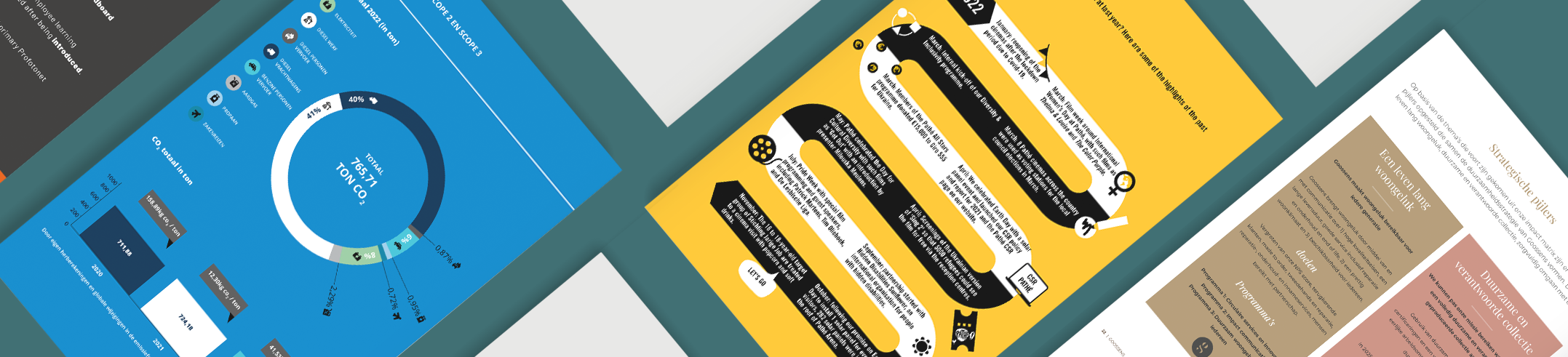
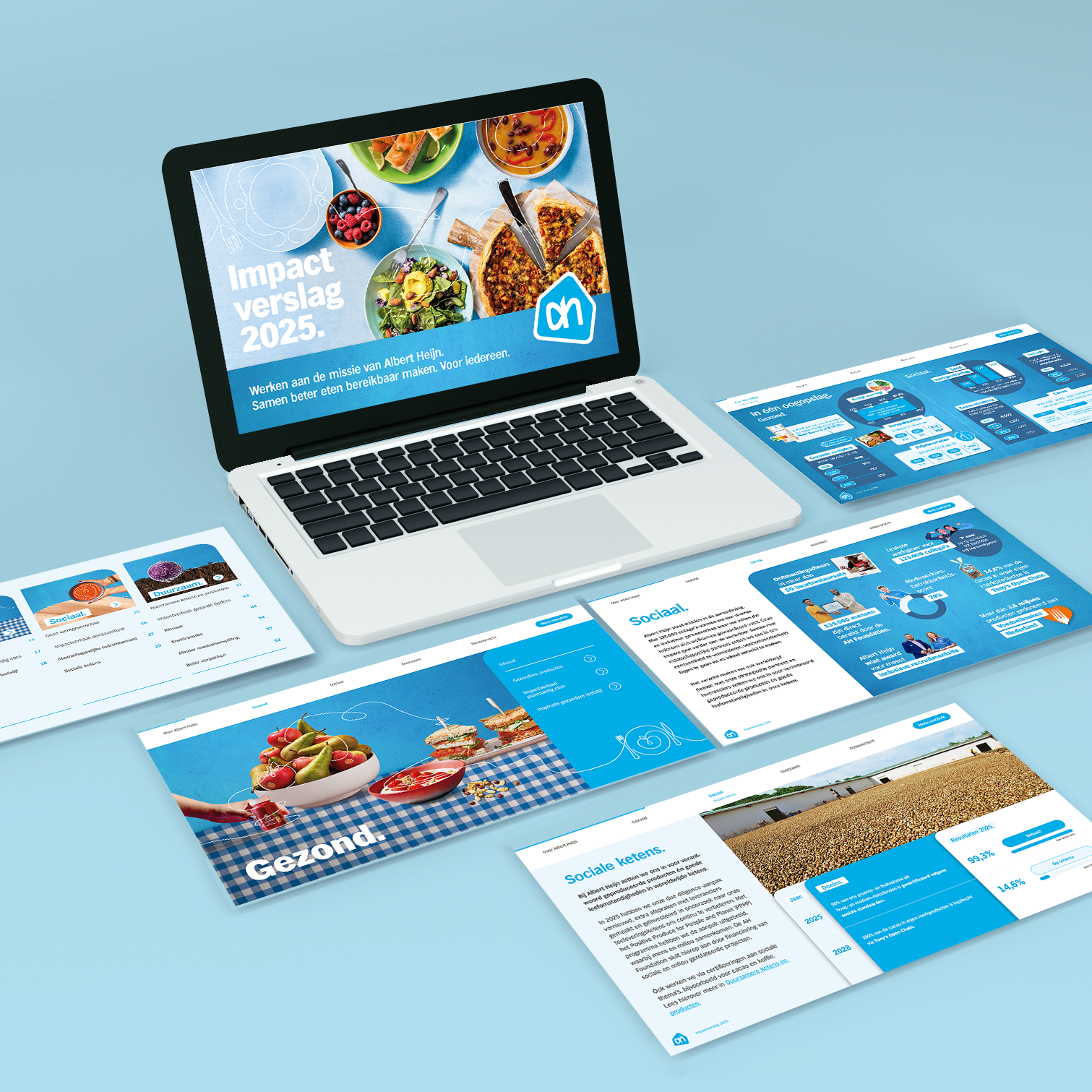
Impact reporting helps your own company and others improve the impact you are making.

WHEN IMPACT REPORTING IS THE RIGHT CHOICE

Impact reporting is relevant when you:

  • Have multiple sustainability initiatives, but lack a clear overview
  • Need to communicate impact to stakeholders (customers, investors, regulators)
  • Are facing increasing expectations around transparency
  • Want to align internal teams around shared priorities
  • Are growing and need consistency in how impact is measured and explained

When impact reporting is not enough

Impact reporting works best when the foundation is in place. It becomes less effective when:

  • Strategy is missing: You measure without direction (see: Sustainable strategy)
  • Data is unreliable or unavailable: Reporting becomes inconsistent or speculative
  • Culture and ownership are weak: Reports are created but not used (see: Sustainability coaching & culture)


HOW IMPACT REPORTING WORKS IN PRACTICE

At NewKinds, impact reporting is a guided process. We take the lead in structuring, analysing, and translating your impact, while making sure you always understand what’s happening and why.

You don’t need to have everything in place before starting. We work with what’s there and help you move forward step by step.

1

Fully guided (we take the lead)

We manage the full process, from structuring and analysis to writing and (optionally) design. We organise interviews, translate your input into a clear narrative, and deliver a complete, ready-to-use report

2

Guided self-service (you take the lead, we support)

We provide a structured template and guidance that helps you set up your own impact report. This includes support in defining the right data points, building your story, and making sure everything comes together clearly.

Clarity on your starting point


Step 1

We define together what the report needs to achieve, who it is for, and what level of detail is appropriate.

Collecting data & input


Step 2

We map what is already available, identify gaps, and help prioritise what matters most, without overcomplicating things.

Structuring & interpreting


Step 3

We create a logical structure that aligns with expectations and, where relevant, with standards or frameworks. We translate data into insights, cases, and a clear narrative. This is where impact becomes understandable and usable.

Clear communication


Step 4

Together with our communication and design team (optional), we turn the content into a report that is both credible and easy to navigate.

WHY ORGANISATIONS WORK WITH NEWKINDS FOR IMPACT REPORTING

  • Sustainability expertise and communication specialists in one process
  • We combine impact strategists and communication specialists, so reporting is both accurate and clear.
  • In depth knowledge across sustainability topics
  • We cover the full scope of sustainability, from environmental impact (CO₂, materials), to social themes (JEDI), to certifications and regulatory frameworks, and product-level topics like packaging.
  • Guided process, not just delivery. We support you step by step and help build a strong foundation, so you can continue and develop your reporting over time.
  • Works for both complex and (small) lean organisations. From large organisations like Albert Heijn, bol.com and Etos to smaller teams with limited resources.
  • Focused on decision-making, not just reporting

The goal is not the report itself, but clarity, alignment, and better decisions.


Other services

Impact reporting sits between multiple service areas:


Sustainable Strategy: Defines what should be measured and why


Certifications & Compliance: Determines what must be reported


Sustainability Communication: Ensures reporting is clear, credible, and aligned


Sustainability Coaching & Culture: Ensures reporting is understood and used internally


Frequently asked questions

Not sure if impact reporting is the right step?

Talk to an impact reporting specialist